
Roundup Litigation: Why Some People Still Don’t Know They Qualify
The Awareness Gap in Roundup‑Related Cancer
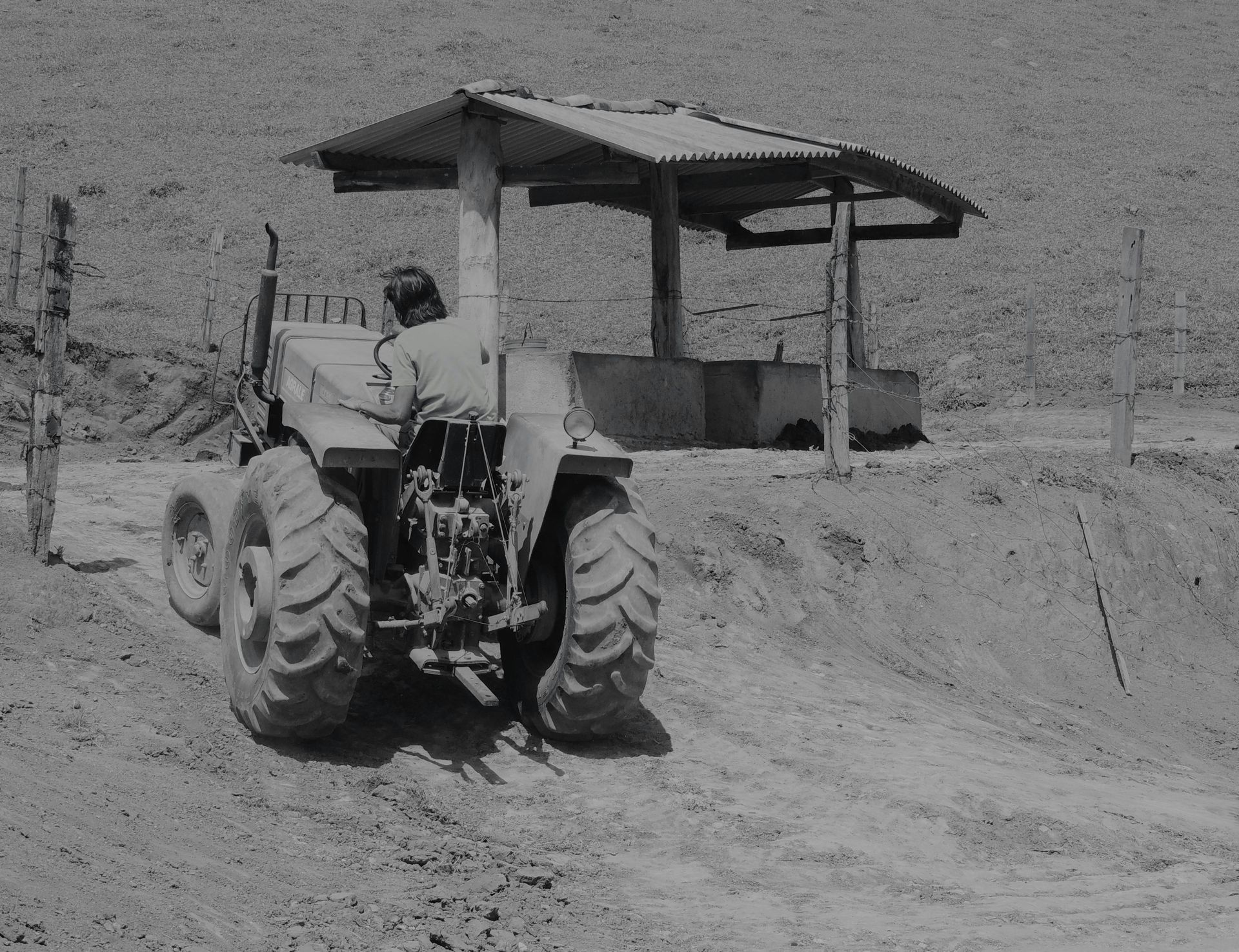
Even after years of news coverage, huge verdicts, and ongoing lawsuits, many people still don’t realize they might qualify for a Roundup lawsuit.
As of early 2026, over 60,000 Roundup cases are still pending, even though Bayer has already paid nearly $11 billion to settle earlier claims.
Even with litigation grabbing headlines, many people suffering from Roundup‑related cancers still aren’t aware they could be eligible for compensation, medical cost recovery, or legal protection.
People Don’t Realize Their Cancer Fits the Criteria
One major reason for the awareness gap is that cancer is complicated. Many individuals diagnosed with non‑Hodgkin lymphoma, its subtypes, leukemia, or multiple myeloma don’t realize that their specific cancer is among those most commonly linked to Roundup exposure. Eligibility guidelines show that people who used Roundup long‑term and later developed these illnesses may qualify.
However, the case must fall within their state’s statute of limitations, which in some states can be as short as one year. This timing requirement alone leaves thousands unaware that their window is closing or may have already closed.
Everyday Users Don’t See Themselves as “Exposed”
Another problem is how people see the issue. Most still think only farmers or professional landscapers are exposed to Roundup. But court records show that plaintiffs include agricultural workers, home gardeners, groundskeepers, and regular homeowners who used Roundup on their property for years.
Because Roundup has been a common household product since the 1970s, many people underestimate how frequently they’ve used it and how significant that exposure may have been.
Misleading Science Once Reassured Consumers
For years, consumers relied on scientific studies that claimed Roundup was safe. But in early 2026, a key glyphosate safety study was retracted due to undisclosed ties to Monsanto and reliance on unpublished company research.
This revelation shook trust and raised questions for people who had long believed their cancer must have come from genetics, age, or bad luck rather than their weed‑killer.
Some Already Accepted Small Settlements Without Understanding Their Options
Before people knew how big the lawsuits would get, some early victims took small settlements or reimbursements, not realizing their diagnoses could qualify them for much more. Today, compensation has reached billions of dollars in verdicts, and new claims are still being accepted.
People Don’t Know They Can Still File - Even in 2026
Even now, new lawsuits are being filed as people are newly diagnosed, and some states let people file claims years after exposure. Roundup is still widely used, so the next group of affected people may not even know that they've been impacted.
Why Awareness Matters
The impact on people is huge. This lack of awareness means:
- Families drain savings on treatment they might be reimbursed for.
- Survivors miss the chance to hold corporations accountable.
- People lose legal rights simply because they didn’t know they had them.
Because Roundup is used so widely and so many cancers may be linked to glyphosate, closing this information gap could help thousands of people.
If Roundup has sickened you or a loved one, it's possible that litigation could help you recover some of what you lost. You can get a free case evaluation here to help guide your next steps.
Recent Posts